
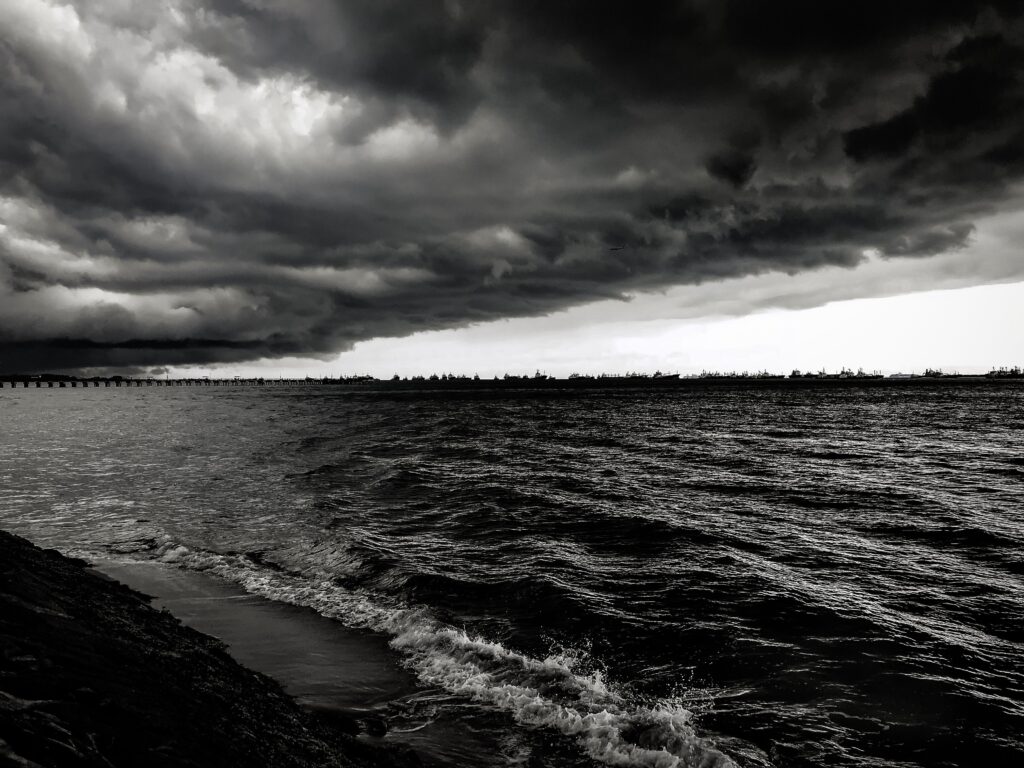
Hurricane Fausto, currently churning in the eastern Pacific Ocean, is drawing attention from forecasters as it heads on a path that could bring it close to the Hawaiian Islands next week.
Though the storm is still thousands of miles away, residents in Hawaii are being encouraged to stay informed about its progress.
As of late Wednesday, the Category 1 hurricane was positioned roughly 925 miles west-southwest of the southern tip of Mexico’s Baja California Peninsula. With maximum sustained winds near 80 mph, Fausto is moving west-northwest at about 8 mph. Meteorologists expect the system to pick up speed in the coming days while possibly undergoing slight strengthening in the short term.
According to projections from AccuWeather, Fausto could intensify to Category 2 status before encountering cooler sea surface temperatures and increased wind shear.
These conditions typically sap energy from tropical cyclones, leading to gradual weakening. By the time it reaches the central Pacific, the storm is anticipated to arrive near Hawaii early next week in the form of a tropical storm rather than a full hurricane.
AccuWeather Hurricane Expert Alex DaSilva noted that direct hurricane strikes on Hawaii are uncommon, largely because the cooler waters surrounding the islands tend to weaken approaching systems. “This is what we expect with Fausto,” he said. Even so, officials urge continued monitoring, as the storm could still produce significant impacts if it passes nearby.
While Fausto has not yet influenced Hawaiian weather, the system is already generating swells that are impacting parts of Baja California’s west coast and moving northward toward southern California. In Hawaii, potential effects could include increased surf, gusty winds, and heavy rainfall depending on how closely the storm tracks to the islands.
Farther south, another weather feature is being watched closely. A broad area of low pressure off the coast of Guatemala, referred to as Disturbance 1, is producing disorganized showers and thunderstorms.
Forecasters with the National Hurricane Center give it a 50 percent chance of developing into a tropical cyclone within the next two days and a 90 percent chance over the next week. This system is trailing behind Fausto and could become the next named storm in the eastern Pacific basin.
Hawaii’s history with tropical systems underscores the importance of preparation, even when storms lose strength before arrival.
Local emergency management agencies typically use these periods to review readiness plans, ensure supplies are stocked, and advise residents on securing property and staying updated through official channels.
As the situation evolves, meteorologists will continue refining forecasts. For now, Fausto serves as a reminder of the Pacific’s active hurricane season and the need for vigilance in island communities.