
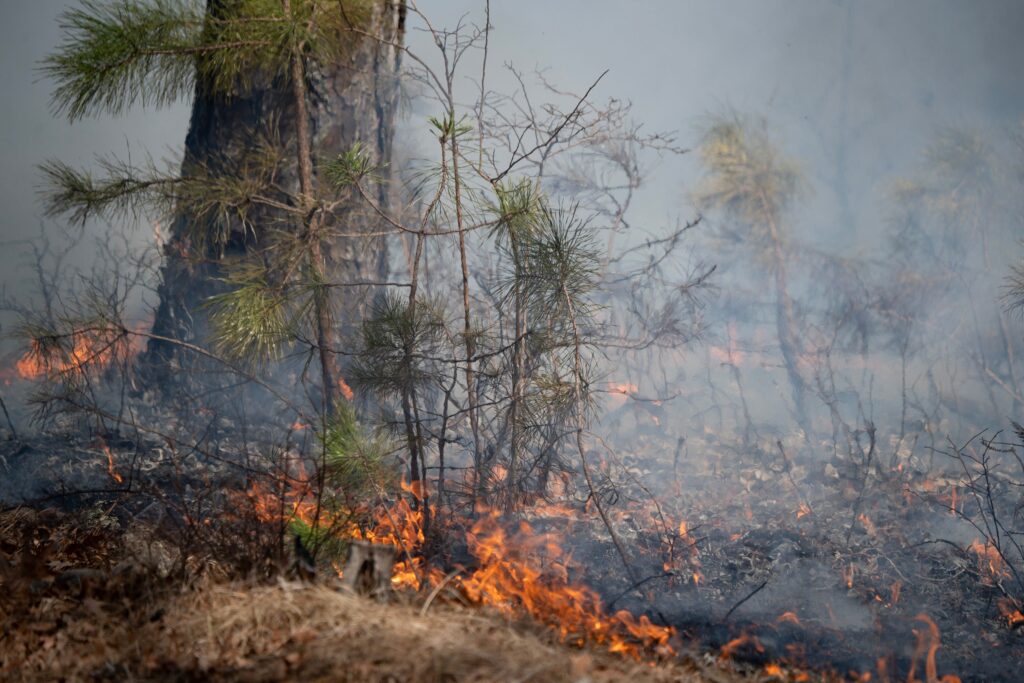
The National Weather Service has issued a critical fire warning for parts of the western United States on Friday, June 26, highlighting dangerous conditions that could spark and rapidly spread wildfires.
Officials are urging residents in affected regions to remain vigilant and take immediate steps to protect their homes and families as strong winds combine with extremely dry air.
The alert covers northern Arizona, eastern Nevada, central Utah, southwest Wyoming, and western Colorado. These areas face heightened risks due to the combination of gusty weather patterns and low moisture levels that can turn small sparks into major blazes.
Conditions are expected to worsen throughout the afternoon, particularly in stretches running from northern Arizona through central and southern Utah. Forecasters point to powerful southwest winds and parched air as the primary drivers behind the elevated threat level.
“Strong sustained southwest winds of 25-35 mph amid very dry relatively, humidity values of 5-15% will likely develop this afternoon, with the worst conditions from northern Arizona into central and southern Utah,” the National Weather Service said. “Use caution with any potential ignition sources. Stay aware and follow instructions from emergency officials.”
The warning is not expected to carry over into the weekend, offering some relief once the peak wind and dryness subside later today. Even so, experts stress that the current window of vulnerability requires prompt action from anyone living near forests, grasslands, or other vegetation.
One of the most effective defenses involves clearing a protective buffer around homes and structures. Residents are encouraged to remove dry leaves, fallen branches, and other easily ignited materials from an area extending at least 10 meters outward from their property, creating a zone that is far less likely to carry flames directly to buildings.
Families should also prepare by having open conversations about wildfire risks. Parents can explain the situation to children in simple, reassuring terms suited to their age, while emphasizing that everyone has a role in staying safe and following directions during an emergency.
Developing a clear evacuation strategy is another key recommendation. This includes gathering medical records, deciding on meeting points if family members become separated, and identifying nearby shelters or safe locations in adjacent communities. It is also wise to confirm plans with local schools so that parents know exactly how children will be cared for if an evacuation is ordered.
An emergency supply kit can make a significant difference if residents must leave quickly or if utilities are disrupted. Such a kit should contain non-perishable food items, necessary medications, cash, a first aid kit, a fire extinguisher, protective masks in both adult and child sizes, a flashlight, a battery-powered radio, extra batteries, and enough drinking water to last several days.
Important personal documents such as birth certificates, identification cards, property deeds, and insurance papers should be included in waterproof containers within the kit. Families are advised to add any other items tailored to their specific needs, such as pet supplies or special dietary requirements, to ensure they can manage comfortably away from home.
Staying informed through official channels remains essential throughout the day.
By following guidance from local emergency management and avoiding any activities that could create sparks, residents can help reduce the chances of new fires starting while conditions remain at their most hazardous.