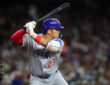
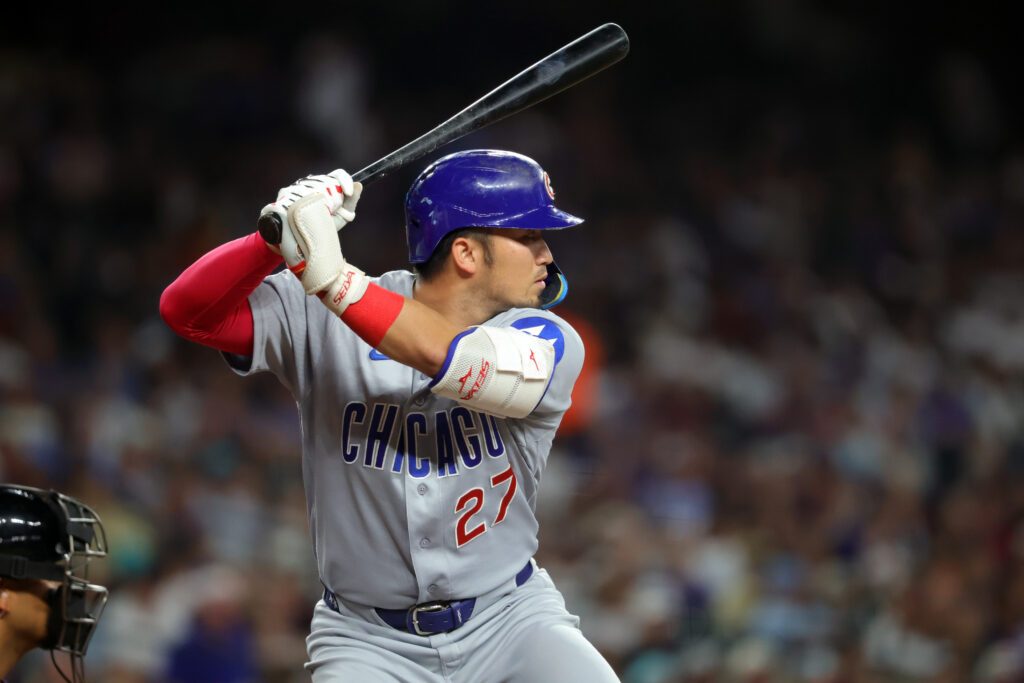
The Chicago Cubs are expected to tender a qualifying offer to outfielder Seiya Suzuki as free agency approaches, according to a report from MLB insider Jon Heyman.
The one-year pact is valued at $23.15 million, the highest figure in the history of the system that began after the 2012 season.
Suzuki, 32, is widely projected to decline the offer and explore multiyear deals on the open market after finishing the final year of a five-year, $85 million contract he signed out of Japan.
In 2026 the right-handed hitter posted a .270 batting average, .368 on-base percentage and .473 slugging percentage while hitting 26 home runs and driving in 86 runs across 143 games.
Those totals produced a career-best 5.1 wins above replacement per Baseball-Reference, cementing his status among the stronger available bats this winter.
Suzuki also walked 81 times and struck out 155 times in 634 plate appearances, showing solid plate discipline that should appeal to multiple clubs.
The Cubs face additional outfield questions with left fielder Ian Happ also eligible for free agency after the season.
With pitching regarded as the more pressing roster need, Chicago is not expected to engage in a prolonged bidding war to retain Suzuki. Instead, the club is leaning toward expanded roles for younger players such as Matt Shaw and Pedro Ramirez, potentially supplemented by a platoon option.
Chicago crossed the competitive balance tax threshold during the 2026 season, marking its first time as a tax-paying club in recent years.
As a result, the Cubs would receive only a compensatory selection after the fourth round of the 2027 amateur draft if Suzuki rejects the qualifying offer and signs elsewhere.
That placement sits in the lowest compensation tier for teams that paid the luxury tax under current rules.
Last offseason the Cubs, then below the tax line, secured a higher pick after Kyle Tucker rejected their offer and joined the Los Angeles Dodgers. They used the extra selection to draft first baseman Myles Bailey in the 2026 amateur draft.
Clubs must issue qualifying offers within five days after the World Series ends, after which eligible players typically have about 10 days to accept or decline.
Suzuki’s improved right-field defense and consistent production over five major-league seasons further strengthen his market position heading into the offseason.
The qualifying-offer framework itself is expected to surface in discussions for the next collective bargaining agreement, which could alter compensation rules after this winter.