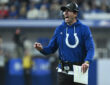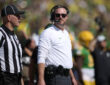
Bill Belichick spent decades in the NFL cultivating a reputation for saying as little as possible when off-field noise threatened to drown out the game. That instinct has followed him to Chapel Hill, where his second season as North Carolina’s head coach has been marked by questions that have little to do with Saturdays.
Last week, WRAL News reported that lawyers examining the Tar Heels football program asked people about allegations that defensive coordinator Steve Belichick, the coach’s son, used drugs on the job or supplied them to at least one player.
Those claims remain unproven. Steve Belichick has been on medical leave since August and has not spoken publicly about them.
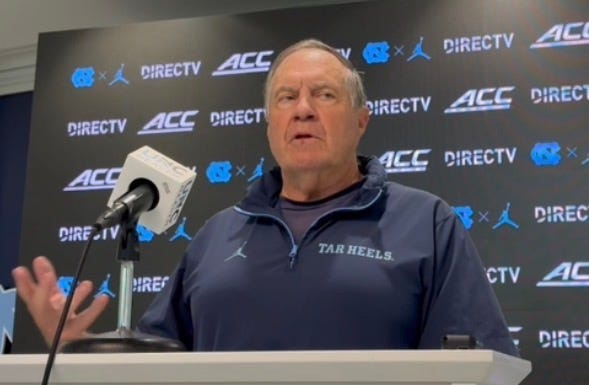
The inquiry places the elder Belichick in an awkward spot. At his weekly press conference Monday, he acknowledged the probe without trying to predict its outcome.
“I understand the importance of the work that’s being done by the investigative team,” Belichick said. “Obviously our high standard here, our code of conduct and doing things the right way and making sure that our student-athletes are given the utmost, the best treatment, the very best care, and the very best coaching that we can possibly give them. So, that’s critically important to us.”
Those words sounded like the cautious remarks any coach would offer while an investigation is still underway. However, Durham attorney Andrew Fine, who is not connected to the university’s review but has negotiated contracts for athletes and coaches, told WRAL that the comments could later carry more weight.
“It’s the kind of throwaway comment that can sometimes come back to bite you,” Fine said.
Belichick’s contract, according to the same report, requires him to foster a culture of compliance and holds him accountable for the conduct of assistants and other staff. UNC has given no sign it is considering firing him.
Asked whether administrators had told him to change how he runs the program, Belichick said they had not.
“No. I have an ongoing relationship, communication with the university, and they’ve been very supportive,” he said. “A great working relationship with those people.”
He added that he would adjust if investigators recommended it. “In the end, we want to run the program in the very best way,” Belichick said. “And if there’s things we need to do to correct it, then we’ll obviously do them.”
The episode is only the latest unusual development in Belichick’s short time at North Carolina. Longtime associate Michael Lombardi resigned as general manager on Sept. 3, yet the university said the investigation would continue.
For now, Belichick is doing what he has always done: offering few words and trying to keep the focus on football. What the investigators conclude will determine whether the questions around his program remain a distraction or become something far more serious.