Frank Gansz Jr., a longtime special teams coach who helped shape the Oakland Raiders’ coverage and return units in the late 1990s, died over the weekend. He was 64.
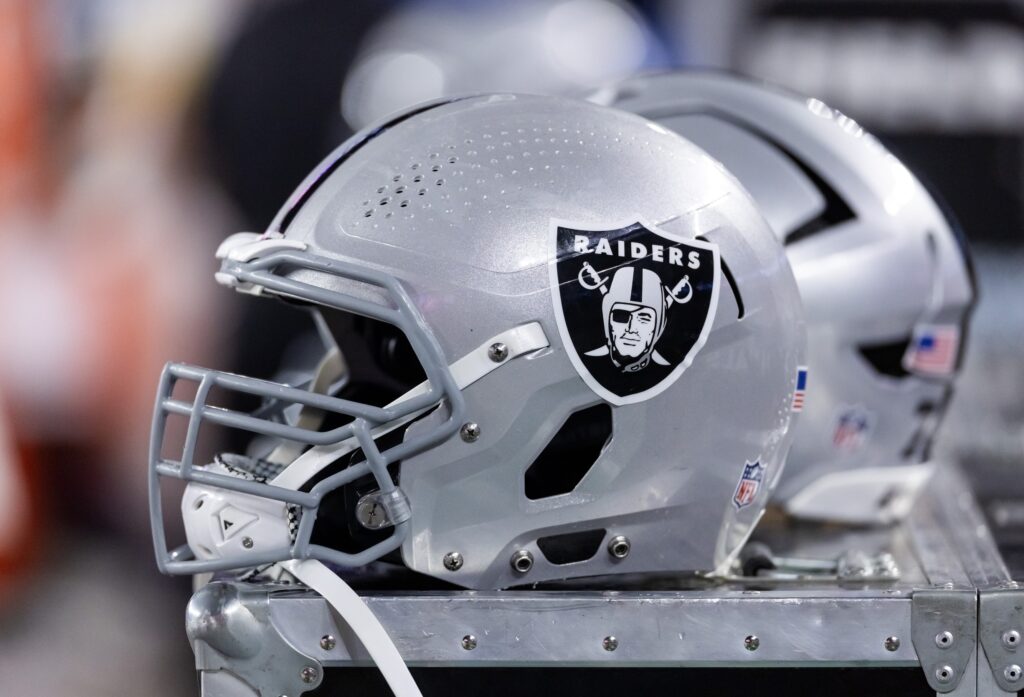
Multiple reports confirmed the death of the respected football coach, whose career stretched across the NFL, college ranks and the United Football League. From a Raiders perspective, Gansz left a lasting mark during his three seasons as the team’s special teams coordinator from 1998 to 2000, a stretch when the Silver and Black relied on disciplined kicking-game play to complement their high-powered offense.
Gansz had been working most recently as special teams coordinator for the St. Louis Battlehawks of the United Football League, a role he took on in February. The UFL and the Battlehawks issued statements mourning his passing, describing him as a second-generation football man who built his own reputation as a teacher and mentor.
“The UFL and St. Louis Battlehawks mourn the passing of Frank Gansz Jr., a second-generation football lifer who carved out his own path as a respected coach, teacher, and mentor,” UFL commissioner Russ Brandon said in a statement.
“Frank was old school in the best sense of the word. He was a student of the game, passionate about his craft and deeply respected by his peers and players. With a remarkable ability to bridge generations, Gansz delivered message that blended his love of history with his love of football, using lessons from the past to shape how his teams prepared for the present.”
Born into a coaching family, Gansz was the son of Frank Gansz Sr., who once served as head coach of the Kansas City Chiefs. The younger Gansz followed a similar path after playing defensive back for four years at The Citadel. He began his coaching career as a graduate assistant at Kansas, then moved on to Pittsburgh and Army before landing a job with the New York/New Jersey Knights of the World League in 1992.
His first extended college stop came from 1993 to 1997, when he coached tight ends and special teams at the University of Houston. He later returned to the college game between NFL jobs, handling special teams duties at both UCLA and SMU. Those stops produced standout performers who carried his lessons into the professional ranks.
For Raiders fans who watched the team in the late 1990s, Gansz’s influence showed up in the consistency of the kicking game and the physical nature of the coverage units. After leaving Oakland following the 2000 season, he spent the next stretch of his career with the Chiefs from 2001 to 2006, then moved to the Baltimore Ravens for two seasons from 2006 to 2008. He also worked with the NFL Players Association during his professional journey.
Among the players he developed, several stood out. At UCLA he guided kicker Kai Forbath, who claimed the Lou Groza Award and earned consensus first-team All-America honors. During his time with the Chiefs, return specialist Dante Hall earned consecutive Pro Bowl selections in 2002 and 2003 and became one of the league’s most feared threats in the open field. With the Ravens, special teams standout Gary Stills led the NFL with 44 special teams tackles in 2006, the second-highest single-season total in league history.
In Oakland, his three seasons coincided with a period when the Raiders were building toward contention, and special teams reliability formed part of that foundation. Colleagues and former players recalled his attention to detail and his willingness to share lessons drawn from decades of watching and coaching the game.
Gansz’s death removes a steady presence from the coaching community, one that stretched from college campuses to NFL sidelines and the UFL. For those who followed the Raiders during his tenure, the news brings a reminder of the quiet contributions special teams coaches make, often away from the spotlight yet essential to every week’s preparation.
His career arc—from Citadel defensive back to graduate assistant, from World League assistant to NFL coordinator and UFL coach—illustrated a life spent in the game. He leaves behind a legacy of players who improved under his guidance and peers who valued his knowledge and character.
The football world, and especially those connected to the Raiders organization of that era, will remember Frank Gansz Jr. as a dedicated teacher of the kicking game and a coach who treated the profession as both craft and calling.