
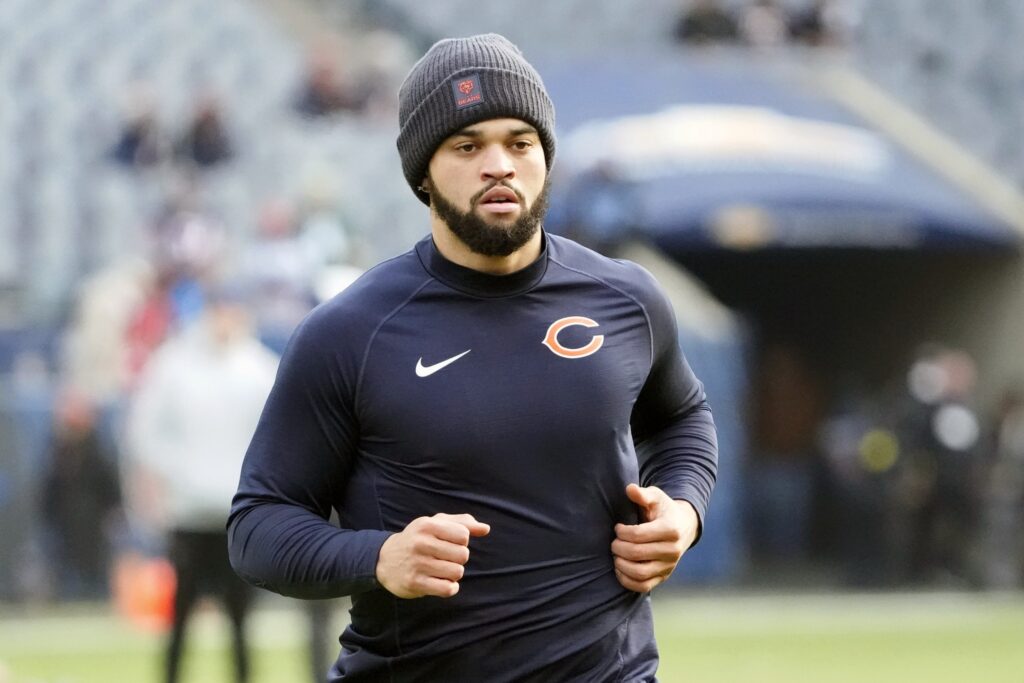
The Chicago Bears rode a wave of momentum into the 2026 season, fresh off a breakout campaign that saw them claim the NFC North crown and advance to the divisional round of the playoffs.
Under first-year head coach Ben Johnson, the team transformed from also-rans into genuine contenders, with quarterback Caleb Williams showing flashes of the elite talent that made him the No. 1 overall pick in 2024. Their defense, meanwhile, led the league in takeaways with an eye-popping 33, creating short fields and game-changing opportunities that masked other shortcomings.
Yet as training camp opens and expectations reach new heights around Soldier Field, a closer look reveals potential trouble ahead. While the Bears’ rapid ascent was thrilling, sustaining that success—and taking the critical next step toward Super Bowl contention—will prove far more difficult than many observers anticipate.
The team appears primed for regression rather than further leaps forward, largely because last season’s magic relied on unsustainable elements that are unlikely to repeat. At least that’s what Mike Jones of The Athletic is thinking.
Jones listed the Bears are one of the NFL’s most overrated clubs in the league heading into 2026, and he feels that Williams’ lack of consistency is a big reason why.
“Expectations have skyrocketed, but taking that next step represents a great challenge. Williams delivered late-game heroics, but he and his team can’t count on a repeat of that trend,” Jones wrote. “He’ll have to improve his consistency by a significant margin, and Chicago’s defense can’t get away with such a low pressure rate and such struggles against the run. The Bears feel primed for a step backward rather than forward.”
On the defensive side, the numbers tell a concerning story beneath the surface. While the takeaway total was elite, the unit often struggled to generate consistent pressure on opposing quarterbacks and proved vulnerable against the run.
Those weaknesses were papered over by opportunistic plays and favorable game scripts, but they could become glaring liabilities in 2026. Without significant improvements in those areas, opposing offenses may find it easier to sustain drives, control the clock, and limit Chicago’s ability to force turnovers.
The broader context only adds to the challenge. After a charmed 2025 season filled with close wins and defensive wizardry, the Bears no longer enjoy the element of surprise.
Opponents will game-plan specifically to neutralize Johnson’s offensive schemes and Williams’ growing arsenal. The division, featuring talented rosters in Green Bay, Detroit, and Minnesota, offers little margin for error. What felt like a breakthrough last year now carries the weight of heightened scrutiny and the risk of falling short of sky-high expectations.
None of this diminishes the genuine progress Chicago has made or the bright long-term outlook for a young, talented core. Ben Johnson’s coaching acumen remains a major asset, and the foundation built in his inaugural season provides a solid platform.
But the leap from promising playoff team to consistent powerhouse rarely happens in a straight line. For the Bears, 2026 may well test whether last year’s success was the start of a dynasty or a high-water mark built on variance that is difficult to recapture.
As the NFL season draws near, Chicago enters as one of the more fascinating case studies: a team with undeniable upside that nonetheless feels overrated by those expecting another dominant push.
The coming months will reveal whether the Bears can evolve beyond their recent highs or if reality will bring them back to earth. Fans should temper the euphoria with a dose of realism—the path forward demands growth in areas where last season’s results may have flattered the roster.