
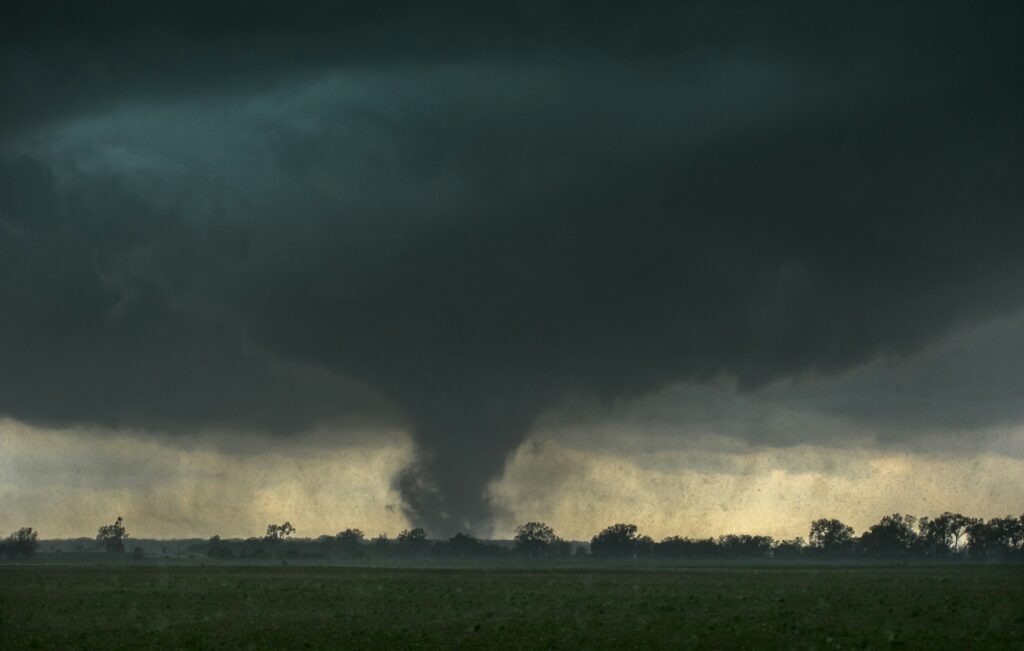
On Monday, July 6, the National Weather Service issued tornado alerts for residents in two northern U.S. states, highlighting the potential for dangerous weather conditions to develop rapidly. Forecasters have placed portions of North Dakota and Minnesota under heightened scrutiny as atmospheric instability builds across the region.
Even though the overall probability remains modest, authorities stress that any tornado activity could bring significant risks to communities in the path.
The latest assessments indicate a roughly two percent chance of tornadoes affecting up to two different states on this day. While such odds might appear low, meteorologists note that even limited severe weather events can produce localized impacts that demand preparation. This alert serves as an important heads-up for people living and working in vulnerable areas to review their emergency plans before conditions worsen.
In addition to the tornado concerns, forecasters anticipate widespread thunderstorms accompanied by intense lightning and heavy downpours. These storms could bring damaging winds, hail, and flash flooding in some locations, compounding the challenges for emergency responders and residents alike. The combination of factors creates an environment where quick-changing weather could catch people off guard if they are not paying close attention.
Safety Guidelines for Tornado Situations
Residents are urged to stay informed through reliable channels as the day progresses. The core advice emphasizes vigilance: Stay Weather-Ready: Continue to listen to local news or a NOAA Weather Radio to stay updated about tornado watches and warnings.
For those at home when a warning is issued, immediate action is critical. At Your House: If you are in a tornado warning, go to your basement, safe room, or an interior room away from windows. Don’t forget pets if time allows. Taking these steps can greatly improve survival chances by placing individuals in the most protected parts of a structure.
Workplaces and educational institutions also have protocols designed for these scenarios. At Your Workplace or School: Follow your tornado drill and proceed to your tornado shelter location quickly and calmly. Stay away from windows and do not go to large open rooms such as cafeterias, gymnasiums, or auditoriums. Practicing these drills regularly helps ensure everyone moves efficiently when seconds matter most.
What to Do When Caught Outdoors or on the Road
People who find themselves outside during an approaching tornado face particularly high risks. Outside: Seek shelter inside a sturdy building immediately if a tornado is approaching. Sheds and storage facilities are not safe. Neither is a mobile home or tent. If you have time, get to a safe building. Open areas offer little protection, making it essential to reach solid shelter without delay.
Motorists encounter unique dangers when severe weather strikes suddenly. In a vehicle: Being in a vehicle during a tornado is not safe. The best course of action is to drive to the closest shelter. If you are unable to make it to a safe shelter, either get down in your car and cover your head, or abandon your car and seek shelter in a low lying area such as a ditch or ravine. These measures prioritize getting below ground level or into reinforced structures whenever possible.
Communities across North Dakota and Minnesota are encouraged to take the alerts seriously despite the low percentage probability. Past events have shown that preparedness can make a decisive difference even in marginal risk zones. Local officials recommend charging devices, assembling emergency kits, and discussing family plans in advance.
As storms develop, conditions may evolve quickly throughout the afternoon and evening hours. Staying connected to updates from trusted sources remains the most effective way to adjust plans in real time. By following established safety protocols, residents can minimize potential harm and help protect their loved ones and property.
The National Weather Service continues to monitor the situation closely and will issue further warnings if the threat level increases. In the meantime, individuals in the affected states should remain alert and ready to respond at a moment’s notice.
Proactive steps today can help ensure safety amid the unpredictable nature of summer severe weather.