
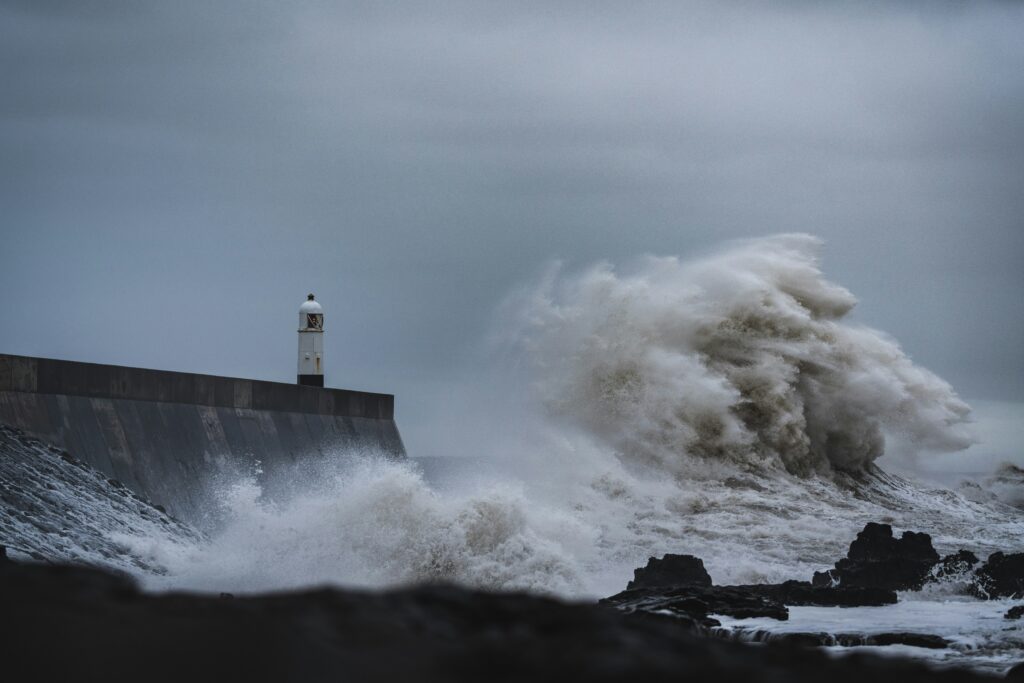
A powerful super typhoon tore through the Northern Mariana Islands and Guam on Monday, unleashing winds strong enough to rival a Category 5 hurricane and leaving behind significant structural damage across the remote U.S. territories in the western Pacific.
Despite the storm’s intensity, officials reported no immediate casualties, though challenging conditions delayed full assessments of the aftermath.
Super Typhoon Bavi made its presence felt most dramatically on the small island of Rota, home to around 1,500 residents. The storm’s eye passed directly over the island early Monday, bringing sustained winds reaching up to 180 miles per hour.
This ferocious assault knocked out electricity, water supplies, and communication networks for many hours, leaving the community largely isolated. Local leaders described scenes of widespread havoc, with numerous power lines and telephone poles toppled and reports of major property damage emerging as conditions allowed.
The National Weather Service had issued stark warnings in the days leading up to the storm, cautioning that a direct strike on Rota could render much of the island uninhabitable for weeks or even longer. Emergency responders urged people to seek shelter in interior rooms away from windows and doors, advice that appears to have contributed to the fortunate lack of reported injuries or deaths so far.
Nearby islands experienced the storm’s wrath to a lesser but still disruptive degree. Parts of Tinian, northern Guam, and the southern reaches of Saipan faced winds comparable to a Category 1 hurricane. On Guam, observers noted downed trees blocking roads, streetlights uprooted, scattered debris, and even vehicles overturned by the powerful gusts.
Flooding combined with fallen utility lines, rockslides, and other debris made about ten major roads impassable, prompting authorities to plead with residents to stay off the streets to avoid hindering recovery efforts.
Local residents, many of whom had only recently recovered from another major storm earlier in the year, expressed a mix of resilience and frustration. On Tinian, health worker Edwin Santa Theresa noted that power to his home had been restored just days before Bavi struck again. He hoped for a swift return of services this time around. In Saipan, Rowell Mariano compared the current event to the previous typhoon, Sinlaku, which he found more personally devastating due to direct flooding and home damage.
Many sought refuge in sturdier structures during the height of the storm. At the Guam Plaza Hotel, hundreds of people—predominantly local residents rather than tourists—rode out the night as windows rattled violently and rainwater seeped into rooms and stairwells. The hotel’s general manager emphasized their commitment to serving the community, especially after investing heavily in backup power following the spring storm.
Preparations across the islands reflected hard-earned lessons from past events. Stores shuttered early, windows were boarded up, and roads emptied except for emergency vehicles and a few determined surfers catching the massive swells before the worst arrived.
One small business owner on Guam spent hundreds of dollars on plywood to protect her eatery, underscoring the economic stakes for those trying to safeguard their livelihoods.
Bavi arrives amid broader climatic trends that scientists link to more intense tropical cyclones. Warmer ocean temperatures provide additional fuel and moisture for these storms, contributing to heavier rainfall and stronger winds. The ongoing development of an El Niño pattern in the Pacific is expected to heighten activity in the region this season, raising concerns among meteorologists about a potentially busier year for such extreme weather.
As cleanup operations continue in the coming days, authorities will work to restore essential services and evaluate the full scope of repairs needed. For the tight-knit communities of these Pacific islands, the event serves as another reminder of their vulnerability to nature’s forces—and their proven capacity to endure and rebuild.