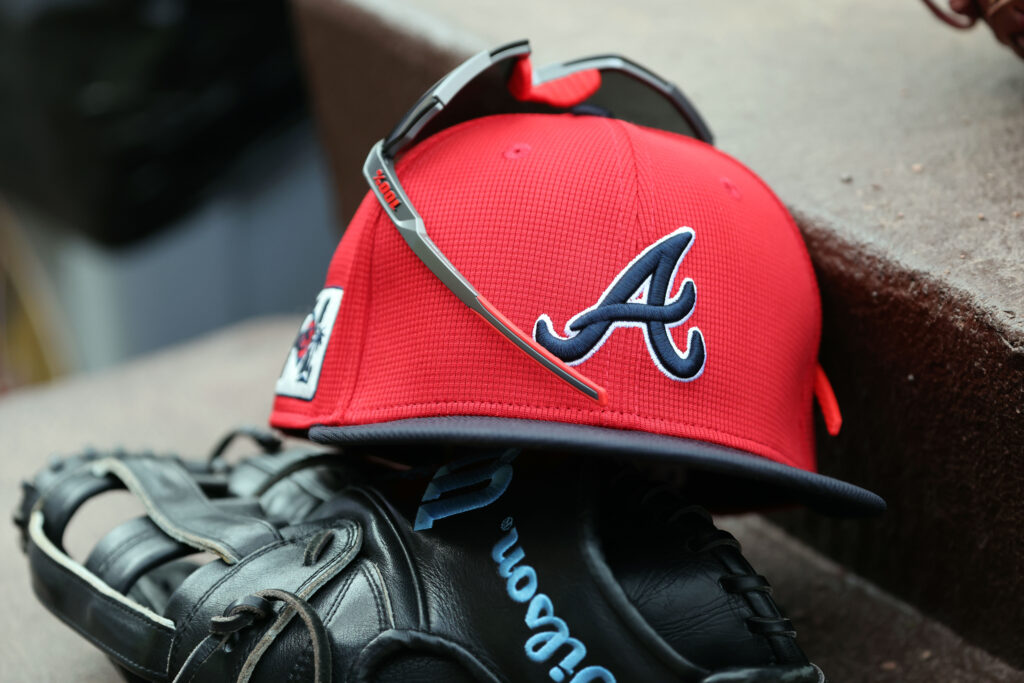
Bob Horner, the standout slugger known for his remarkable transition from amateur baseball directly into the major leagues, has died at the age of 68. His powerful bat left a lasting mark on the sport, particularly during his years with the Atlanta Braves, where he became a fan favorite for his home run prowess before injuries ultimately shortened his professional journey.
The Atlanta Braves organization shared the news of Horner’s passing on May 26.
In their official statement, the team highlighted his trailblazing path through the game, emphasizing several historic firsts that defined his career from the very beginning.
“Bob Horner built a career out of being first,” the statement read. “He was the first overall pick in the 1978 draft after an illustrious collegiate career. He was the first Braves draftee to skip the minor leagues entirely and debut directly in the majors. And he was the first Atlanta player to ever hit four home runs in a single game when he did so against the Montreal Expos in 1986.”
The Braves also reflected on Horner’s achievements and partnerships on the field.
“The National League Rookie of the Year in 1978 and an NL All-Star in 1982, Horner teamed with Dale Murphy to form one of the most feared power duos in the game for nearly a decade.”
In closing, the team offered their condolences.
“The Atlanta Braves extend sincere sympathies to his wife, Chris, two sons, Tyler and Trent, and his numerous friends and fans across the game.”
Horner’s path to the majors began at Arizona State University, where he starred for the Sun Devils and contributed to three straight College World Series berths, including a national title in 1977. His exceptional college performance made him the top selection in the 1978 MLB Draft, setting the stage for an unconventional entry into professional baseball.
Instead of spending time developing in the minors, the Braves brought Horner straight to the big-league roster. He rewarded that confidence by smashing 23 home runs across just 89 games in his debut season, earning National League Rookie of the Year honors in a meteoric rise rarely seen in baseball history.
Over the course of his career, Horner delivered the bulk of his production in a Braves uniform. He clubbed 215 of his 218 total major-league home runs while wearing Atlanta colors from 1978 through 1986, establishing himself as one of the National League’s most consistent power threats during that era.
After his time in Atlanta, Horner took his talents overseas for the 1987 season, playing for the Yakult Swallows in Japan. He returned to the United States the following year, joining the St. Louis Cardinals for a brief stint in 1988 as he attempted to prolong his playing days.
Persistent shoulder problems hampered Horner’s later years in baseball. Those injuries led him to retire during spring training in 1989 while with the Baltimore Orioles, bringing an end to a career that had shown immense promise from its earliest moments.
Even after stepping away from the game, Horner’s contributions to baseball were remembered. He earned induction into the inaugural class of the College Baseball Hall of Fame in 2006, honoring his standout amateur achievements at Arizona State and his broader impact on the sport.
Horner largely stayed out of the spotlight in retirement, living a private life away from the public eye.