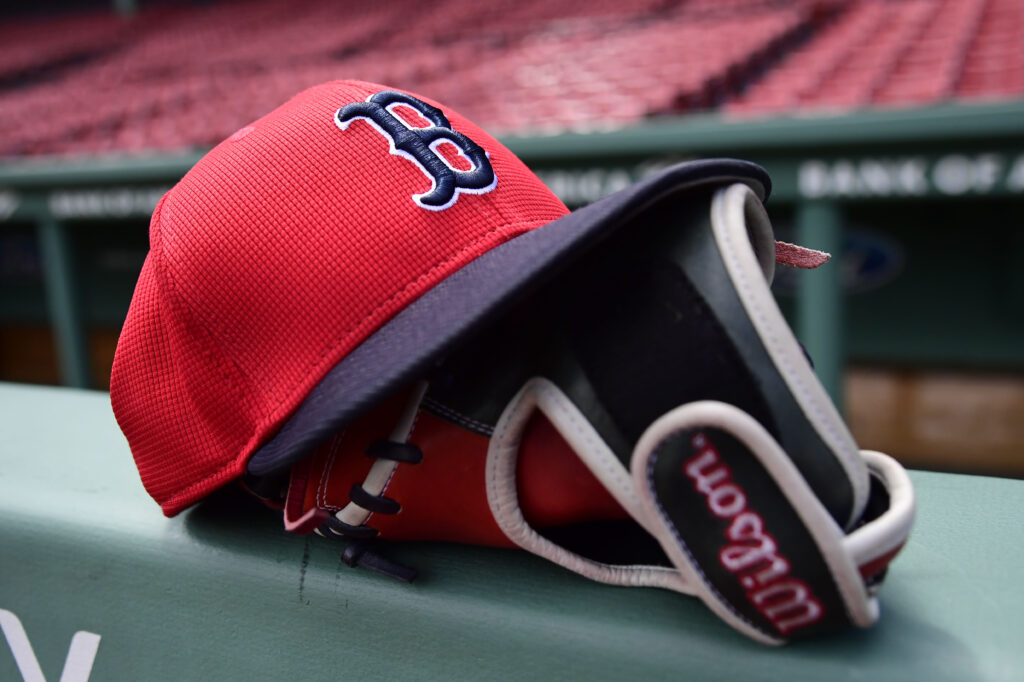
The Boston Red Sox came up short in their pursuit of Pete Alonso, who reportedly reached an agreement with the Baltimore Orioles on Wednesday.
With that option off the table, the team must now explore alternative paths to bolster its lineup.
The good news for Boston is that several impactful hitters remain available in free agency. The front office has indicated a preference for a right-handed batter, which limits the pool somewhat but still leaves viable candidates.
Alex Bregman’s name frequently surfaces in discussions about the Red Sox, yet one notable power threat appears to be low on their priority list: third baseman Eugenio Suarez.
“Free agent Eugenio Suarez, who slugged 49 homers in 2025, is one of the top power bats still available but to this point, despite poking around on him, the Red Sox have not been aggressors in his market,” Chris Cotillo wrote on MassLive.
At 34 years old, Suarez carries questions about the sustainability of his recent production. Still, age-related concerns did not prevent Kyle Schwarber from securing a $150 million contract on Tuesday to stay with the Philadelphia Phillies.
Even if long-term defensive reliability at third base becomes an issue, Suarez could transition to designated hitter in a similar fashion to Schwarber. He would bring a potent right-handed presence to Boston’s batting order, addressing a clear need.
Financial hurdles also seem minimal. On November 6, insiders Jeff Passan and Kiley McDaniel forecasted that Suarez would land a three-year pact valued at $45 million—considerably less than the expected cost to sign Bregman.
It’s easy to see why Bregman might remain the preferred target, given his proven performance at third base and his positive influence in the locker room. However, the apparent lack of serious engagement with Suarez raises questions about whether chief baseball officer Craig Breslow is fully exploring all reasonable avenues.
Moreover, showing genuine interest in Suarez could serve as leverage in negotiations with Bregman and his representative, Scott Boras, by signaling that Boston has credible fallback plans.