
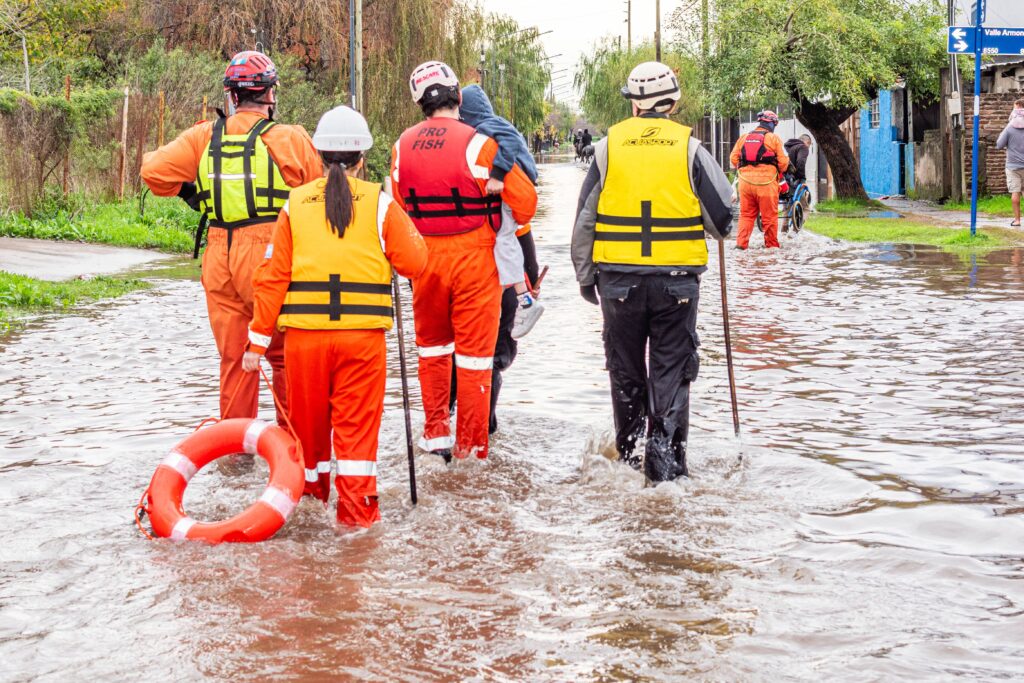
Colorado’s summer rains are offering some relief from intense heat and wildfire concerns, but the sudden arrival of heavy moisture is creating a different set of hazards across the state.
Officials are warning residents that intense storms can quickly turn into dangerous flash floods and mudslides, especially in areas affected by recent wildfires.
The state’s ongoing monsoon season has brought powerful bursts of rain that are not always absorbed by the ground. Instead, when large amounts of water fall in a short period, runoff can rush downhill, carrying soil, rocks, trees, and other debris with it. This can create dangerous conditions for communities, drivers, and emergency crews working in vulnerable areas.
Recent storms have already caused major disruptions. Mudslides buried sections of highways in western Colorado, including areas where roads were covered by several feet of mud, debris, and large rocks.
Interstate 70 also experienced closures after heavy rainfall and hail triggered a debris flow that left crews working to remove water and clear the roadway.
While rain can temporarily reduce wildfire activity by adding moisture to vegetation, officials caution that the benefits may not last. A quick downpour often remains near the surface rather than deeply soaking the soil, meaning dry conditions can return once temperatures rise and winds increase.
One of the biggest concerns is the threat posed by wildfire burn scars. Areas where fires have destroyed vegetation are especially vulnerable because the loss of plant roots and ground cover makes it easier for water to move across the landscape and carry debris into lower areas.
The National Weather Service continues to monitor these locations because even a relatively small amount of intense rainfall can trigger flash flooding in recently burned regions.
Emergency officials and transportation crews have been preparing for these conditions by positioning equipment and personnel near areas with a higher likelihood of flooding and debris flows. However, officials emphasize that storms in mountainous terrain can change rapidly, making preparation and public awareness essential.
Residents and visitors in Colorado’s mountain regions are being urged to stay alert during thunderstorms, avoid low-lying areas where water can quickly accumulate, and stay away from rivers and streams during severe weather. Floodwaters can rise suddenly, and debris flows can move with little warning.
The recent storms highlight a complicated reality for Colorado: rainfall is badly needed after periods of heat and wildfire danger, but when that rain arrives too quickly, it can create a new set of emergencies.
As the monsoon season continues, officials are reminding communities that preparation remains critical even when the forecast brings much-needed precipitation.