
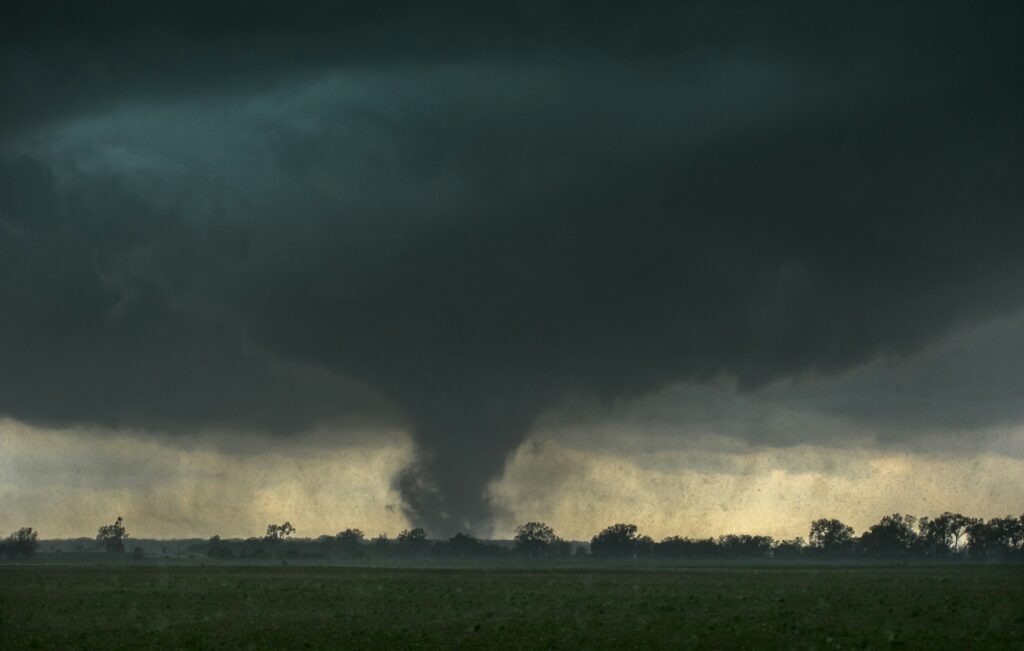
Tornado threats are looming across a significant portion of the eastern and midwestern United States today, prompting widespread vigilance among residents. As of Tuesday, July 21, forecasters indicate that severe weather conditions could spawn twisters in multiple regions.
This outlook serves as an important heads-up for communities that rarely face such dangers, urging everyone to remain prepared for potential rapid developments in the atmosphere.
The National Weather Service has outlined its projections for the day, highlighting that no fewer than 15 states carry a measurable risk. Specifically, these areas face between a two and five percent probability of experiencing tornado activity during daylight hours. Such percentages, while seemingly modest, translate into a genuine need for awareness given the destructive power these storms can unleash without much notice.
Officials have placed the following locations on alert for possible tornado formation: Connecticut, Delaware, Indiana, Kentucky, Maryland, Massachusetts, New Jersey, New York, Ohio, Pennsylvania, Rhode Island, Virginia, West Virginia, Illinois, and Tennessee.
This broad geographic spread covers both coastal zones and inland territories, demonstrating how dynamic weather patterns can influence a vast swath of the country in a single period.
For those living in or traveling through these states, the emphasis falls on proactive monitoring. Experts stress the value of staying informed through reliable channels as conditions evolve. Atmospheric instability combined with other factors like wind shear appears to be setting the stage for isolated but potentially intense events.
In the event that a tornado warning is issued for your area, immediate action becomes essential. Preparation starts with maintaining constant access to updates, whether through local broadcasts or dedicated emergency radio services. This ongoing awareness can make the difference between safety and exposure to harm.
When at home during an active warning, individuals should head straight to the lowest or most protected part of the residence. A basement, specially designed safe room, or windowless interior space offers the best protection. Taking a moment to secure pets, if feasible, adds an extra layer of responsibility without delaying personal safety measures.
Workplaces and educational institutions typically have established protocols that should be followed without hesitation. Moving quickly yet orderly to designated shelter spots helps minimize risks. It is advisable to steer clear of expansive open areas or glass-heavy zones that could become hazardous if winds intensify suddenly.
Those caught outdoors face a particularly urgent situation when a tornado approaches. The priority is to enter a solid, well-constructed building right away rather than relying on makeshift options. Structures like sheds or temporary shelters provide little defense, and mobile homes or tents should be abandoned in favor of more secure alternatives.
Vehicle occupants encounter unique challenges, as automobiles offer minimal shielding against rotating winds. The recommended response involves heading toward the nearest sturdy shelter whenever possible. Should time run short, drivers can pull over, crouch low inside the vehicle while protecting their heads, or exit entirely to find a depressed area such as a ditch for cover.
These guidelines reflect standard recommendations aimed at reducing injuries and fatalities during severe weather outbreaks. By internalizing and practicing them in advance, families and communities build resilience against nature’s most violent displays. Even in regions unaccustomed to frequent tornadoes, treating every alert with seriousness pays dividends.
Beyond the immediate safety steps, today’s forecast underscores broader seasonal patterns. Summer and transitional periods often bring fluctuating conditions capable of producing severe thunderstorms and associated hazards. Residents in the alerted states might also watch for related phenomena, including damaging winds or heavy rainfall that frequently accompany such systems.
Looking ahead, meteorologists will continue refining predictions as the day progresses. Updates from trusted sources remain the cornerstone of effective response strategies. In the meantime, reviewing emergency kits, confirming family communication plans, and discussing shelter locations can transform potential anxiety into empowered readiness.
Staying weather-aware not only protects individual lives but also strengthens overall community preparedness.
As this Tuesday unfolds with its elevated risks, the message is clear: vigilance and swift action form the foundation of safety when dealing with unpredictable atmospheric forces.