
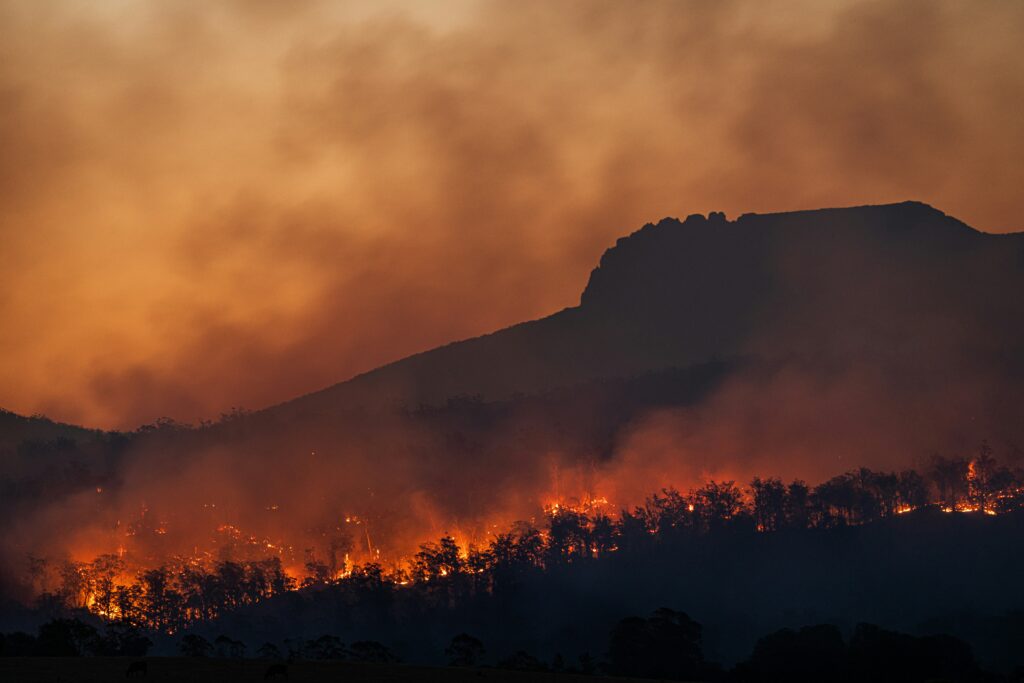
The persistent Canadian wildfires continue to send vast plumes of hazardous smoke drifting southward, blanketing large stretches of the northern United States and creating hazardous breathing conditions across numerous states.
Residents in affected regions have faced reduced visibility and health warnings as the smoke spreads far beyond the border. This ongoing environmental challenge highlights the far-reaching impacts of wildfire seasons that increasingly affect neighboring countries.
Air quality concerns stemming from more than 900 active fires in Canada have stretched from the Upper Midwest through New England and into the Mid-Atlantic region, according to reports. Officials have monitored the situation closely as smoke infiltrates urban and rural communities alike, prompting widespread alerts. The scale of the issue underscores the interconnected nature of North American weather patterns and fire events.
Multiple states have issued “Dangerous Air Quality” warnings in response to the thickening haze. These include Minnesota, Wisconsin, Michigan, Illinois, Indiana, Ohio, Pennsylvania, West Virginia, Virginia, Maryland, Delaware, New Jersey, New York, Connecticut, Rhode Island, Vermont, New Hampshire, Massachusetts, and Maine.
Public health advisories have encouraged residents, especially those with respiratory conditions, to limit outdoor activities during peak smoke periods.
Fortunately, many major metropolitan areas are poised for relief soon. Alerts impacting key cities such as New York, Chicago, Detroit, Washington D.C., Philadelphia, and Boston are anticipated to lift around midnight tonight. This development offers a timely reprieve for millions of residents who have dealt with stinging eyes, irritated throats, and poor visibility in recent days.
“Parts of the western Great Lakes and Upper Midwest are expected to see poor air quality through the weekend as northwesterly winds push a plume of smoke into the region,” ABC reported.
Forecasters continue to track the movement of these smoke plumes with advanced modeling tools. The persistence in certain zones may still require vigilance from local authorities and citizens alike.
Further south and east, conditions are forecast to brighten more rapidly.
“The Northeast will see a big improvement in air quality during the second half of the weekend, according to the forecast. A system sweeping across the Northeast this afternoon will quickly push the wildfire smoke to the north with improving conditions expected for much of the region by the evening hours.”
Such shifts in weather systems often play a decisive role in clearing atmospheric pollutants efficiently.
Sunday promises even greater relief across the affected territories.
“The region will see a huge improvement on Sunday with most of the smoke clearing.”
Meteorologists anticipate that clearer skies and fresher air will return, allowing normal outdoor routines to resume for many communities. This projected turnaround comes as welcome news after several days of diminished air quality.
The improving outlook holds particular significance for sports enthusiasts planning to attend major events. Concerns had mounted that the smoky conditions might interfere with Sunday’s FIFA World Cup Final scheduled at MetLife Stadium in East Rutherford, New Jersey. Organizers and fans alike had monitored air quality reports with growing attention in the lead-up to the high-profile match.
The timing of the forecasted improvement appears especially fortunate for FIFA and the global soccer community. With smoke expected to dissipate before the final whistle, spectators and athletes should experience better visibility and breathing conditions at the venue. This alignment of weather patterns with the event schedule avoids potential disruptions that could have affected gameplay or fan enjoyment.
Broader implications extend beyond this single weekend, as wildfire smoke events grow more common in cross-border contexts. Public awareness campaigns and international cooperation on fire management may become increasingly vital in the years ahead. Residents in smoke-prone areas are advised to stay informed through official channels and prepare accordingly for future occurrences.
Health experts continue to emphasize the importance of taking precautions even as conditions improve. Sensitive populations, including children, the elderly, and those with pre-existing conditions, benefit most from heeding air quality indices. Simple measures like staying indoors during peak haze can make a meaningful difference in reducing exposure risks.
Overall, the latest developments signal a positive shift for much of the northern United States. As Canadian wildfires persist, the focus remains on both immediate relief and longer-term strategies to mitigate such transboundary environmental challenges.
Hope remains strong that clearer air will soon prevail not only in New Jersey but across the entire impacted region.