
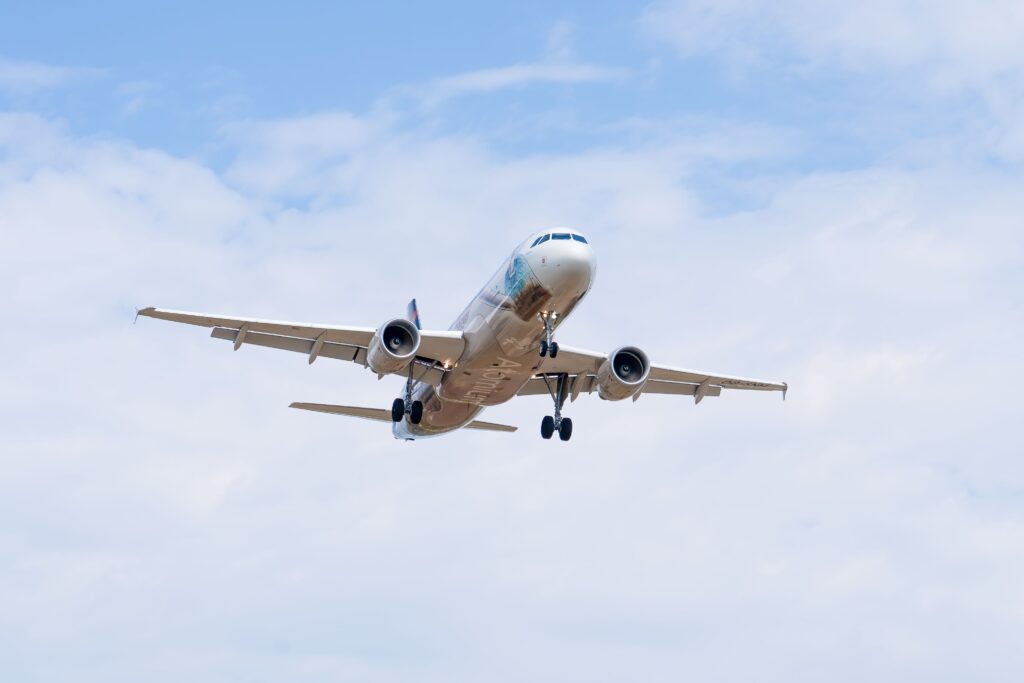
Air travel remains one of the safest ways to get around, yet it subjects the body to conditions that can occasionally lead to unexpected health issues. Adam Taylor of The Independent broke down why it could be so hazardous.
With millions of passengers soaring through the skies daily, even rare problems become more noticeable as flying grows more common. Recent data suggests that medical incidents now occur on roughly one in every 212 flights, a notable increase from earlier estimates.
The cabin environment plays a central role in these challenges. Aircraft cabins are pressurized to simulate conditions around 8,000 feet above sea level. This lower pressure causes gases in the body to behave differently, particularly affecting the lungs, sinuses, and digestive system.
Oxygen availability drops as well—at cruising altitude, the effective oxygen level feels closer to 15 percent rather than the usual 21 percent at ground level. In response, breathing quickens and the heart works harder to deliver oxygen to tissues. Most healthy individuals adapt without issue, but those with pre-existing heart or lung conditions, such as COPD or high blood pressure, may experience more strain as their systems struggle to compensate.
Dehydration adds another layer of stress during flights. Cabin air tends to be extremely dry, drawing moisture from the skin, eyes, nose, and throat. Passengers can lose significant amounts of fluid—up to about 360 milliliters per hour—which thickens the blood and forces the heart to work even harder.
This not only heightens discomfort but also raises the risk of blood clots, including the potentially serious deep vein thrombosis that can develop during long periods of immobility.
Fainting ranks among the most frequent in-flight emergencies, often triggered when someone stands up after sitting for a while. Blood pools in the legs due to postural changes, momentarily reducing flow to the brain. Alcohol consumption and dehydration amplify this effect, creating an ideal setup for lightheadedness. Airline meals sometimes contribute indirectly too: taste buds dull at altitude, leading to heavier seasoning with salt that further promotes fluid loss.
Digestive troubles are also common. As the plane climbs, gases produced during normal digestion expand dramatically—sometimes up to four times their usual volume. This leads to the increased flatulence many notice on flights, sometimes dubbed “high altitude flatus expulsion.” While usually harmless, certain foods like beans, cruciferous vegetables, or heavy meals can intensify the discomfort. In very rare cases, severe gastrointestinal distress—occasionally called “jet belly”—has even forced flights to divert.
Heart-related events, though uncommon, tend to have worse outcomes in the air compared to on the ground. Limited medical equipment on board and the scarcity of trained professionals nearby play a part. Similar challenges apply to other vascular issues like strokes.
Fortunately, simple precautions can make a big difference. Staying well-hydrated before and throughout the journey helps counteract the dry air. Moving around the cabin periodically supports circulation and reduces stiffness, especially on longer flights.
Cutting back on alcohol is wise, as its effects intensify at altitude. Travelers who have had recent dental procedures, surgery, or scuba diving should consult guidelines, as pressure changes can interact with trapped gases—waiting at least 48 hours after certain dives is often advised.
While most flights proceed smoothly, understanding these physiological stresses allows passengers to prepare better and enjoy their journeys with greater peace of mind.
The next time you board a plane, a little awareness and proactive self-care can go a long way toward arriving refreshed rather than rattled.