
The Cincinnati Reds closed out a frustrating 2026 campaign with a 75-87 record and clear evidence that their offense needs reinforcement before baseball’s looming lockout on December 2 freezes the market.
Despite the advantages of Great American Ball Park, Cincinnati finished near the bottom of the league in runs scored while posting one of the lowest team on-base percentages and the highest strikeout totals in the National League.
Adding a controllable, contact-oriented right-handed bat like Houston Astros two-time All-Star infielder Isaac Paredes offers a practical path to address those specific shortcomings without committing long-term free-agent dollars in an uncertain financial landscape.
In a recent FanSided piece outlining one trade every team should consider before the lockout, Chris Landers highlighted exactly this fit.
Landers noted that the Reds’ lack of production at the plate, even while playing half their games in a hitter-friendly environment, underscored the need for an upgrade, and that Paredes—while imperfect defensively—makes consistent contact, gets on base at a healthy rate, and possesses the pull-power profile to clear 25 home runs in Cincinnati.
Pairing that production with the dynamic duo of Elly De La Cruz and Sal Stewart, Landers argued, would meaningfully lengthen and stabilize the lineup.
Paredes’ 2026 numbers back up the appeal. He posted a .262/.360/.447 slash line with 25 home runs and 94 RBI while striking out at a low rate around 13 percent.
For a Reds club that struggled to keep the line moving and avoid empty at-bats, that combination of on-base skill and reduced swing-and-miss is more valuable than raw exit velocity.
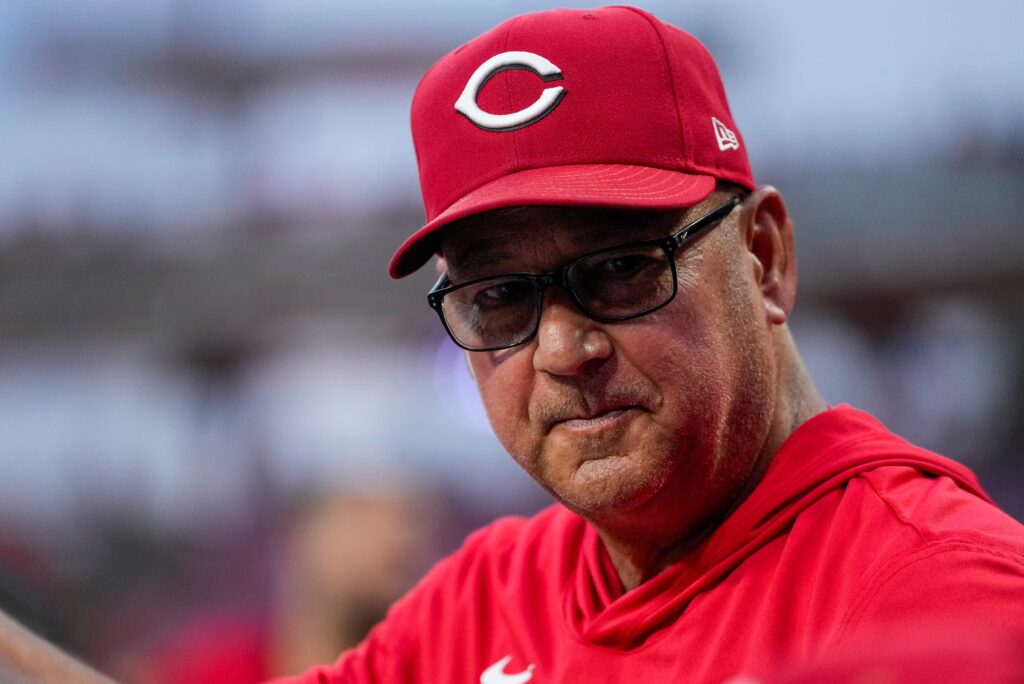
At Great American Ball Park, his tendency to pull the ball in the air should translate into additional extra-base hits, giving manager Terry Francona another middle-of-the-order option who can complement De La Cruz’s athleticism and Stewart’s emerging power rather than duplicate their weaknesses.
Houston’s crowded infield also creates a realistic opportunity. With players like Jeremy Peña and Christian Walker still in the mix, the Astros may be motivated to move Paredes for pitching or prospect depth while he remains under control through at least 2027.
The Reds, operating with a mid-market payroll and a need to lock in production before any potential salary-cap changes, can frame a deal around younger arms or position-player depth that fits Houston’s timeline.
The result would be a cost-controlled corner infielder who upgrades the everyday lineup immediately and provides a bridge while the organization continues developing internal options.
With free-agent alternatives thinner than usual and the lockout deadline approaching, acquiring Paredes represents one of the more straightforward ways for Cincinnati to inject reliability into an offense that too often stalled.
The move would not transform the roster overnight, but it would address the precise problems—contact, on-base percentage, and pull-side power in their home ballpark—that limited the Reds in 2026 and could again in 2027.