In Tuscaloosa, the standard has always been higher than this. Alabama football does not merely compete for College Football Playoff spots; it expects them, and for years the rest of the country has adjusted its calendars around that reality.
That makes the present moment feel almost foreign.
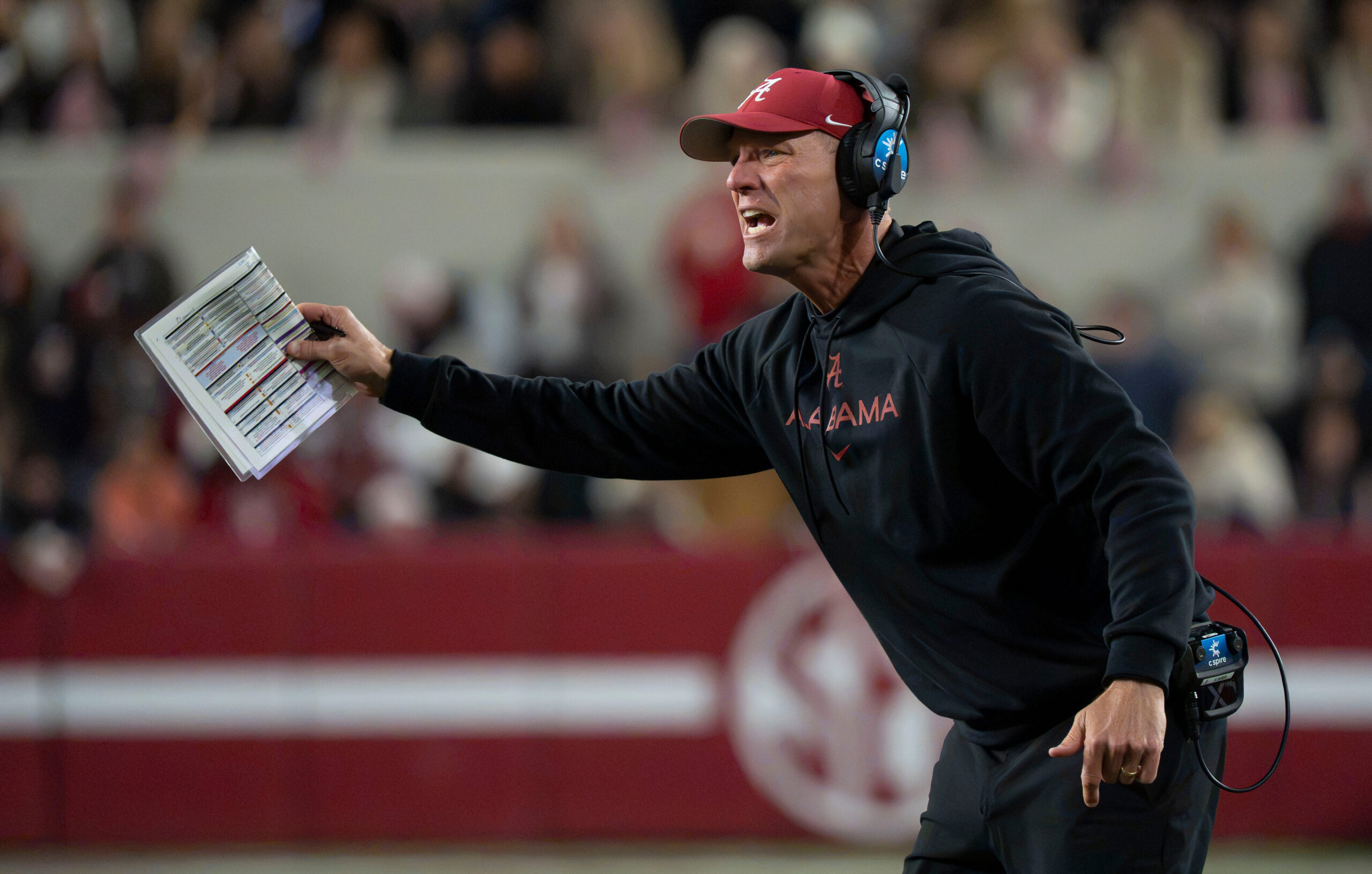
After falling to Auburn in the Iron Bowl, the Crimson Tide sit at three losses, and the idea that they could still slip into a 12-team field has become a source of genuine surprise both inside and outside the state.
The loss itself was costly enough. Alabama entered the weekend with a clear path: handle the Tigers and the résumé would likely hold. Instead, the Tide absorbed a third defeat, and the margin for error vanished.
ESPN’s Heather Dinich currently projects them at No. 12, which would shockingly have them just inside the bracket.
One of the 12 spots belongs to the highest-ranked Group of 6 team. The Big Ten champion—whether Indiana or UCLA—could occupy another lower-seeded automatic berth.
That leaves the remaining at-large places tightly contested, and Alabama is now forced to argue its case against teams that finished with cleaner records.
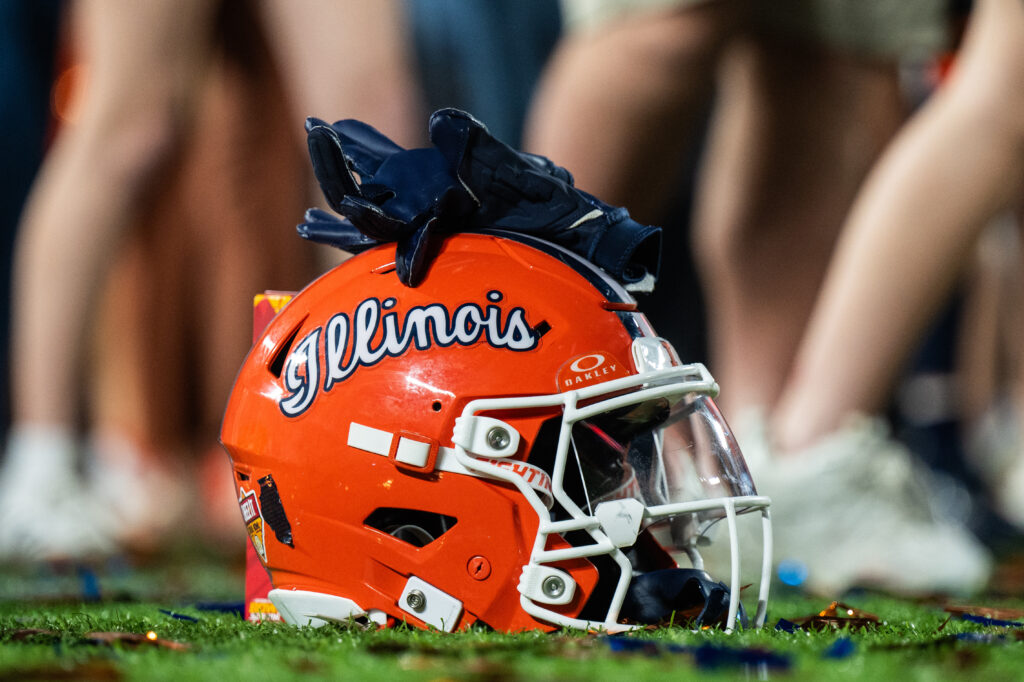
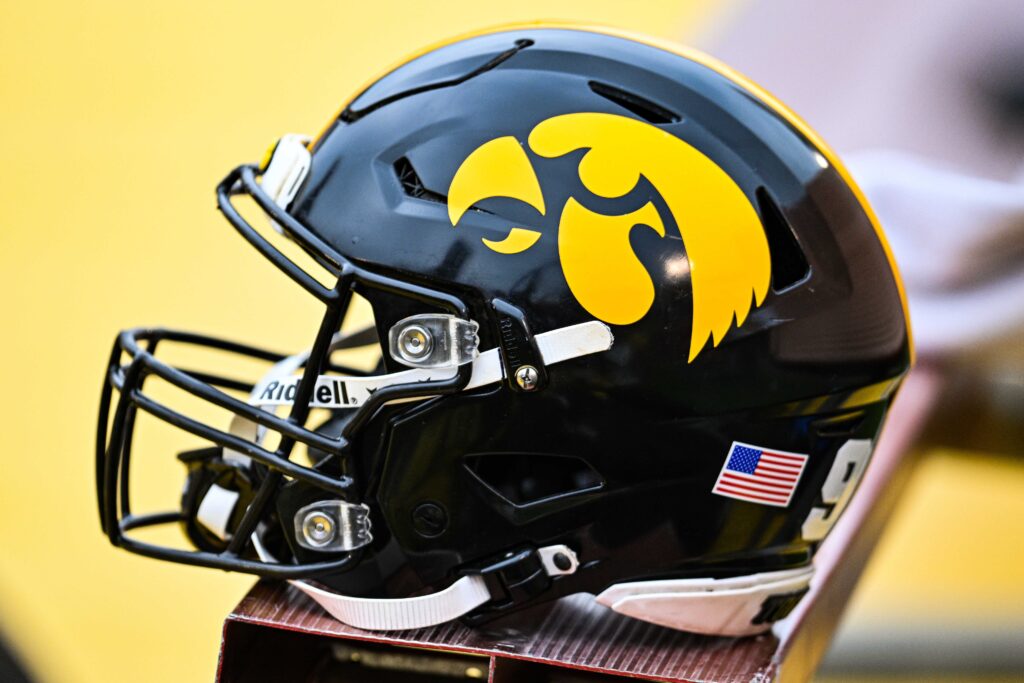
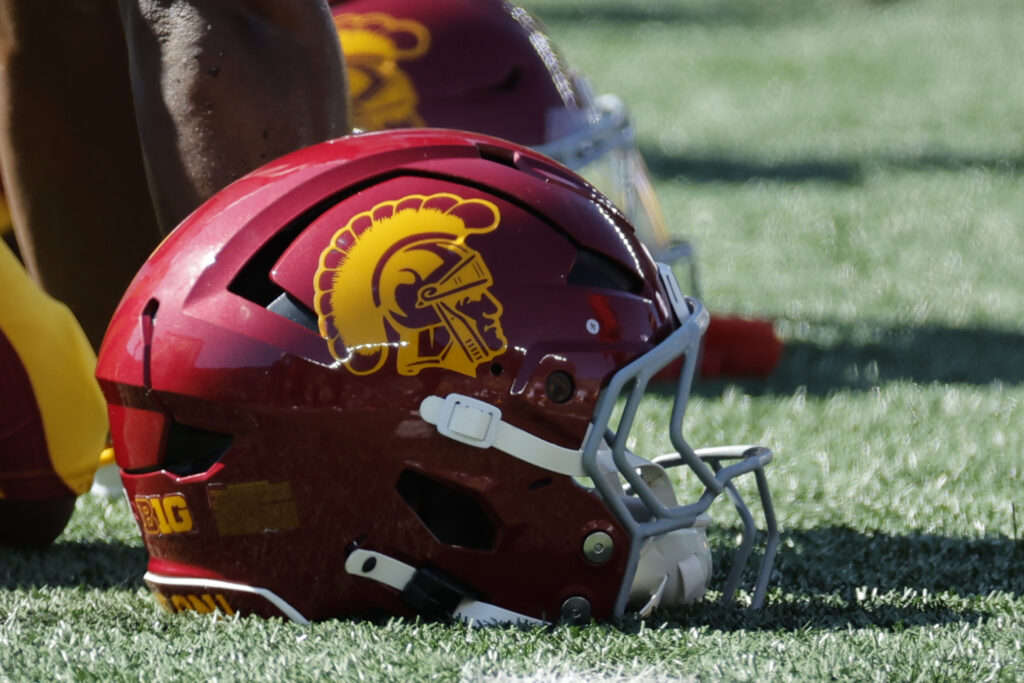
Iowa and Indiana sit at the center of that argument. Both finished with two losses and both collected notable wins. Iowa’s résumé includes victories over Nebraska and Washington; Indiana’s includes a win over USC and, more importantly, a remaining game in the Big Ten championship.
Dinich has Iowa projected inside the top 10 and Indiana still alive for an automatic bid. Alabama, by contrast, has lost the two biggest games it played this season—against Georgia and Tennessee—and its only Power 4 victory against a team over .500 since mid-October came against an unranked LSU side.
That’s what would make its inclusion so surprising.
From an Alabama standpoint, the possibility itself feels jarring. Three-loss seasons have not been the norm in recent decades, and the program has rarely needed to plead its case as a bubble team.
Even if the committee ultimately decides the eye test favors the Tide, the mere fact that such a debate is necessary underscores how far the season has drifted from the script Alabama fans expect.
The Iron Bowl defeat did not merely drop a win-loss column; it forced a program built on certainty into a conversation about whether three losses can still be enough.
That conversation, more than any single ranking projection, is what feels most unfamiliar in Tuscaloosa right now.