
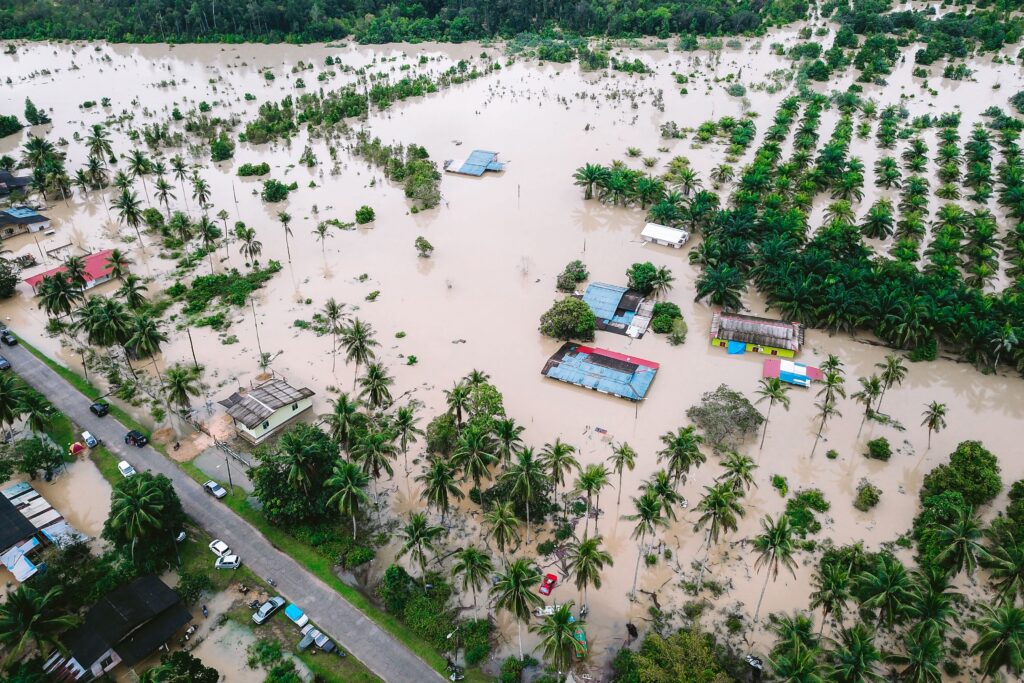
Communities across West Virginia are dealing with the devastating aftermath of catastrophic flash flooding that swept through parts of the state following torrential rainfall.
The intense storms overwhelmed rivers and streams within hours, turning roads into waterways, damaging homes and businesses, and forcing emergency crews into large-scale rescue operations.
The flooding developed rapidly as seven inches of rain fell over already saturated ground, causing water levels to rise at an alarming pace.
Residents in some of the hardest-hit communities had little time to react before floodwaters entered neighborhoods, trapping people inside homes and vehicles. Emergency responders worked around the clock to carry out water rescues despite dangerous conditions and roads that had become impassable.
State officials declared a state of emergency as the disaster unfolded, allowing additional resources to be mobilized for rescue and recovery efforts. National Guard personnel were deployed to assist local agencies with evacuations, transportation, and emergency support.
Authorities urged residents to remain off the roads, warning that even shallow-moving floodwaters could pose life-threatening risks.
The destructive flooding left behind extensive damage to infrastructure. Bridges were washed away, highways and local roads were submerged or destroyed, and countless vehicles were swept from their original locations.
Homes and businesses suffered severe water damage, while utility disruptions complicated recovery efforts. In several areas, emergency crews struggled to reach stranded residents because floodwaters had cut off entire communities.
Meteorologists described the rainfall event as exceptionally intense, with some locations receiving several inches of rain in only a few hours.
Such extreme rainfall can overwhelm drainage systems and small waterways, leading to dangerous flash flooding that develops much faster than river flooding. Officials noted that the combination of steep terrain and saturated soils increased the severity of the event, allowing water to rush downhill with tremendous force.
As floodwaters gradually receded, attention shifted toward assessing the full extent of the damage. Recovery crews began clearing debris, inspecting damaged infrastructure, and restoring essential services. Emergency management officials also continued evaluating impacted neighborhoods while encouraging residents to remain cautious around weakened roads, damaged bridges, and unstable structures.
The disaster serves as another reminder of the destructive power of flash flooding and the importance of heeding weather alerts during periods of heavy rainfall. Weather experts continue to stress that flooding remains one of the deadliest weather hazards because conditions can deteriorate within minutes.
Officials encourage residents living in flood-prone areas to stay informed through weather forecasts, prepare emergency plans, and never attempt to drive through flooded roadways, as the depth and strength of moving water are often impossible to judge.