
The Chicago Cubs plan to bring in several new pitchers before the trade deadline hits at 6 p.m. Eastern on Monday, hoping the additions will strengthen their staff for a possible deep postseason run.
Team and league sources, speaking anonymously to discuss internal strategy, said the club wants to bolster the pitching group as a unit rather than focus on one big name alone. The approach mirrors the thinking behind their late June trade for left-hander David Peterson from the New York Mets.
Both Ken Rosenthal and Patrick Mooney have reported on the Cubs’ trade deadline plans.
Chicago continues to eye right-hander Clay Holmes, a ground-ball specialist who is nearly back from a broken fibula. The Cubs also remain interested in Freddy Peralta, whose history with manager Craig Counsell from their Milwaukee Brewers days could make for a smooth fit.
If the front office decides against a major rotation upgrade, officials are prepared to pursue significant bullpen help instead. Names such as Adrian Morejon, Luke Weaver and Jeff Hoffman have come up in those conversations.
A key part of the Cubs’ outlook is their strong defense and the belief that they can evaluate pitchers beyond the basic numbers that sometimes look less appealing on the surface.
One example is veteran starter Kevin Gausman of the Toronto Blue Jays. His 4.38 ERA this season does not stand out, yet his strikeout rate of 23.9 percent and walk rate of 6.8 percent remain close to what he posted last year on a pennant-winning club.
Gausman’s mix of a four-seam fastball, splitter and slider has stayed consistent. His fastball velocity sits about half a tick lower than in 2025 but matches the levels from 2024, when he threw 181 innings with a 3.83 ERA.
The 35-year-old averages nearly 5 2/3 innings per outing and has said he prefers to finish the year in Toronto before hitting free agency. Adding that kind of length alongside the recent form of Shota Imanaga and Matthew Boyd could ease pressure on the relief corps.
Gausman also carries postseason experience, posting a 2.93 ERA across six playoff appearances last October, including two solid starts against the Los Angeles Dodgers in the World Series.
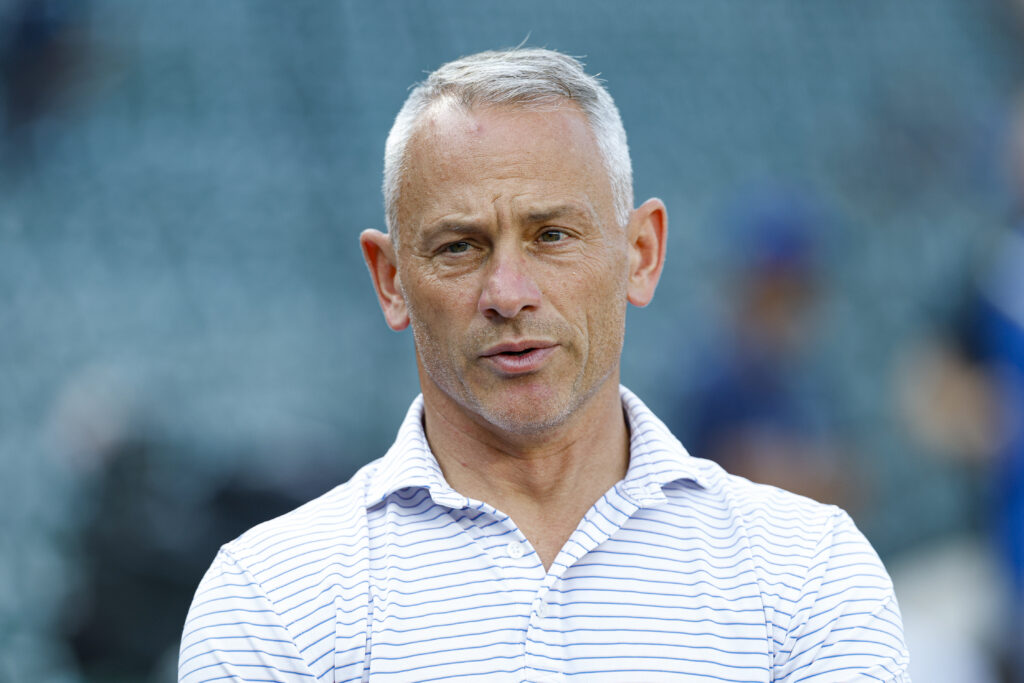
Cubs president of baseball operations Jed Hoyer has pointed to past lessons when weighing veterans whose recent numbers may not fully reflect their potential. He recalled missing out on Justin Verlander in 2017 only to watch the right-hander thrive after a move to Houston, then applying a different approach by acquiring Cole Hamels the following year.
In a market short on starters under long-term control, the Los Angeles Angels have drawn attention with Reid Detmers and José Soriano. Both pitchers remain under team control through 2028, though questions linger about how they might adjust after years with a franchise that has not won a playoff game since 2009.
The Cubs’ desire for volume also serves as protection against more injuries. Several arms remain on the mend, including Cade Horton, who is recovering from elbow surgery, Edward Cabrera working through a hamstring issue, and reliever Daniel Palencia dealing with elbow inflammation.
Justin Steele, Ben Brown, Hunter Harvey and Hoby Milner have also spent time on the injured list this season. The club has already set a franchise mark with 13 different pitchers recording at least one save.
Despite the setbacks, the Cubs have stayed among the stronger teams in the league.
With the deadline approaching, Chicago’s willingness to add multiple arms reflects both the challenges of the current year and the organization’s confidence that those reinforcements can help push the roster toward October success.