The son of former NHL star Claude Lemieux has provided fresh insight into the hockey legend’s struggles in the hours leading up to his death, describing a relapse tied to a long-standing personal battle that contributed to a family confrontation.
Brendan Lemieux spoke with investigators from the Palm Beach County Sheriff’s Office on May 28, the day he discovered his father’s body. Body camera footage captured his account of events, offering a more specific picture than earlier public statements about a setback in his father’s recovery.
Lemieux, who won four Stanley Cup titles during a 21-season career, died by suicide at age 60. Authorities confirmed the manner of death after he was found inside the family’s furniture business in Lake Park, Florida.
According to Brendan’s statements in the footage, his father had maintained sobriety for more than a decade but faced ongoing challenges with sex addiction, which proved more difficult for him to manage than issues with alcohol. Brendan told deputies he was unsure if drinking played a role that night.
The evening before the tragedy unfolded around 10:30 p.m. on May 27, when Deborah Lemieux, Claude’s wife, directly challenged him about his sobriety. Claude admitted to the lapse, prompting Deborah to ask him to leave their home, Brendan recounted. That exchange appeared to trigger a rapid downward spiral.
Brendan described his father as having grown increasingly irritable in recent months, lashing out at others and showing signs that things were deteriorating. The family had noticed possible warning signs about a year earlier, but the situation escalated sharply in the final weeks.
When Claude did not return home later that night, Brendan used his father’s phone location to track him to the Andros Home furniture showroom and warehouse. There, he found Claude deceased from an apparent suicide.
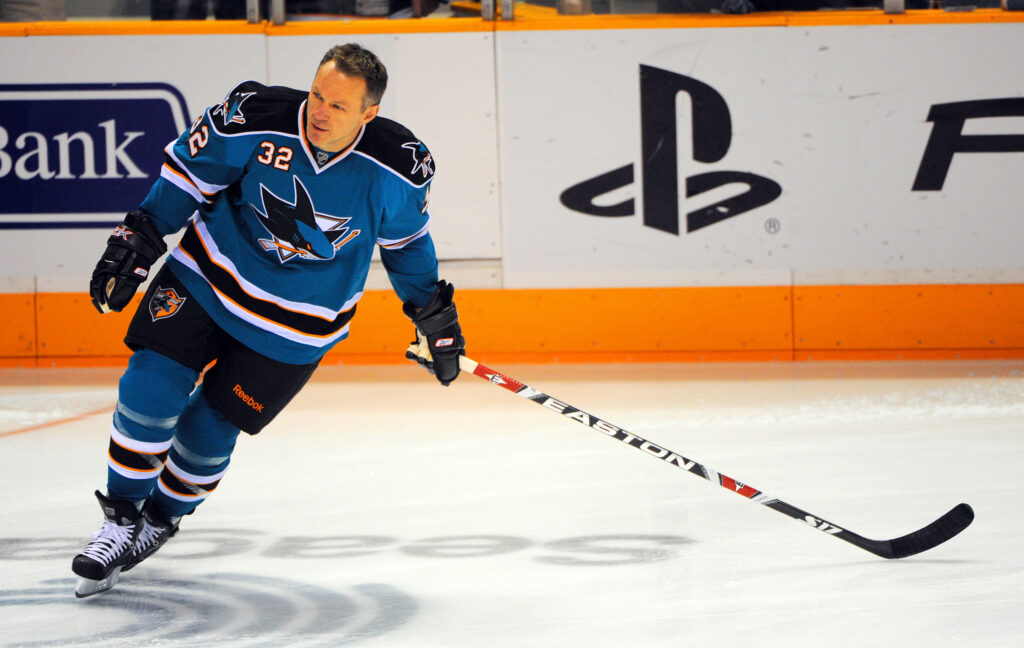
The four-time champion skated for several prominent franchises, including the Montreal Canadiens, New Jersey Devils, Colorado Avalanche, Phoenix Coyotes, Dallas Stars and San Jose Sharks. His on-ice toughness and clutch performances earned him respect across the league.
Just days before his death, Lemieux participated in a ceremonial moment at Montreal’s Bell Centre, carrying a torch onto the ice ahead of a playoff game. Observers noted no outward signs of distress during the appearance.
The family later donated Lemieux’s brain to Boston University’s CTE Center for research into the effects of repetitive head trauma common in hockey. No specific diagnosis has been made public from those studies.
Earlier reports mentioned a bag of THC edibles found near the scene, but toxicology results showed no substances in Lemieux’s system at the time of death. The Palm Beach County Medical Examiner’s Office has limited some records due to state laws on suicide investigations.
In the aftermath, Brendan has voiced frustration with some media coverage of his father’s final hours, arguing that certain details felt too intimate and were released at a painful time coinciding with what would have been Claude’s birthday. Friends of the family have also spoken of Lemieux dealing with depression and relational strains in his later months.
Lemieux left behind notes for his loved ones on his phone, along with instructions on a Post-it note directing family members to them. Those messages underscored the private pain he carried despite a public career filled with triumphs.
The hockey community continues to reflect on Lemieux’s legacy, both for his contributions to championship teams and the personal battles many athletes face after their playing days. His story highlights the importance of addressing mental health and addiction issues openly.
If you or someone you know is struggling, help is available. Call or text the 988 Suicide and Crisis Lifeline or visit 988lifeline.org.